
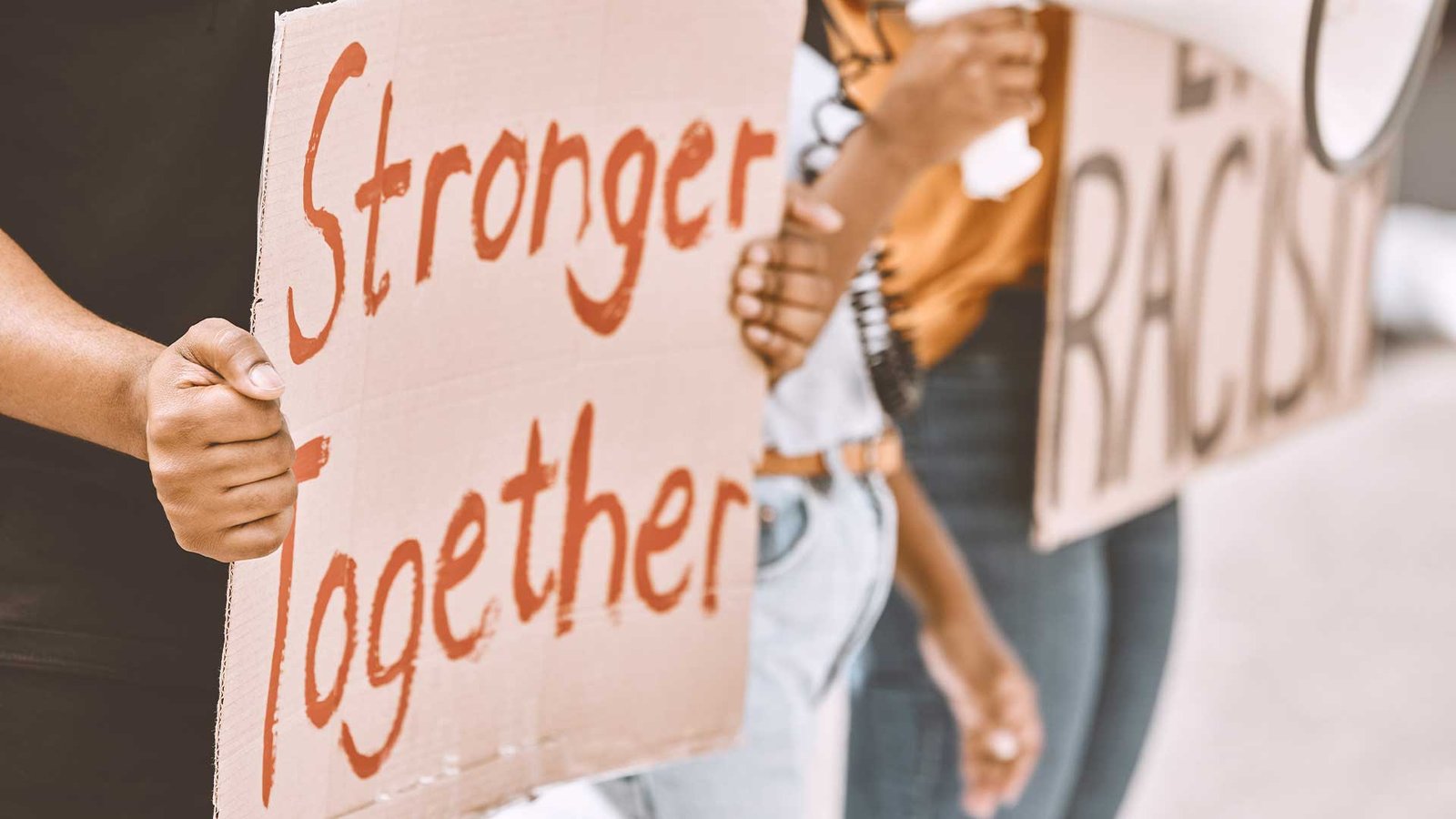



Civil Rights Attorney
The rights guaranteed by the United States Constitution and California law are not abstract principles — they are real protections that real people depend on. When those rights are violated by government officials, law enforcement officers, or institutions entrusted with power, the consequences can be devastating and life-altering. Brett Schreiber is a California civil rights attorney who holds wrongdoers accountable when those in power overstep.
Guided by the principle of tikkun olam — to heal the world — Brett integrates courtroom advocacy with a deep commitment to justice that extends beyond any individual case. He routinely works with elected officials and justice organizations at the local, state, and national level to ensure that the voices of the people he represents are heard both in the courtroom and in the halls of power. As an Officer of the Board of Directors of Consumer Attorneys of California (CAOC), Brett is as committed to systemic change as he is to winning for individual clients.
If your constitutional or civil rights have been violated, contact Brett's office today for a free, confidential case evaluation.
Brett's Approach
What happens in the state house directly affects what happens in the courthouse — and vice versa.
Brett Schreiber doesn't just litigate civil rights cases — he works alongside legislators, advocacy organizations, and elected officials to ensure systemic accountability. His practice reflects the understanding that meaningful civil rights protection requires both courtroom victories and lasting policy change.
Your Constitutional Rights — And What Happens When They're Violated
The United States Constitution, together with federal and state civil rights laws, guarantees every person certain fundamental rights. When government officials or law enforcement officers violate those rights, civil litigation is often the most powerful tool available to seek accountability and compensation.
First Amendment Rights
The First Amendment prohibits government officials — and in some cases private entities acting as government actors — from infringing on freedom of speech, freedom of the press, the right to peaceful protest and public assembly, and the right to petition the government. Violations can occur when law enforcement suppresses lawful protests, retaliates against individuals for protected speech, or uses force against peaceful demonstrators.
Fourth Amendment Rights
The Fourth Amendment protects individuals from unreasonable searches and seizures, illegal detentions, and false arrests. Police brutality, excessive force, unlawful stops, and searches conducted without a valid warrant or legal justification all fall under the Fourth Amendment's protections. These violations are among the most common bases for civil rights litigation against law enforcement agencies.
Fifth Amendment Rights
The Fifth Amendment protects the right to remain silent and requires federal officials to provide due process to all individuals — including those who have been arrested or are in federal custody awaiting trial. Federal officials who ignore serious medical needs of arrestees or pretrial detainees may be liable for Fifth Amendment violations.
Eighth Amendment Rights
The Eighth Amendment prohibits cruel and unusual punishment of convicted individuals. State and federal officials who intentionally injure prisoners, deny them adequate medical care, or subject them to inhumane conditions of confinement may be liable under the Eighth Amendment.
Fourteenth Amendment Rights
The Fourteenth Amendment applies the due process requirement to state officials. State actors who deny individuals medical care while in custody, cause wrongful death through official misconduct, or wrongfully interfere with family relationships — including separating children from parents without lawful justification — may be liable under the Fourteenth Amendment's due process and equal protection clauses.
Key Civil Rights Laws
In addition to constitutional protections, federal and California statutes provide important civil rights remedies:
- 42 U.S.C. § 1983 — The primary federal statute allowing individuals to sue government officials for constitutional violations
- Civil Rights Acts of 1866, 1964, and 1991 — Federal protections against discrimination in employment, housing, and public accommodations
- Americans with Disabilities Act — Prohibits discrimination based on disability
- California Unruh Civil Rights Act — Broad state protections against discrimination by business establishments
- California Bane Act (Civil Code § 52.1) — California's primary tool for suing law enforcement for interference with constitutional rights through threats, intimidation, or coercion
- California Labor Code — State workplace discrimination and retaliation protections
Most Common Types of Civil Rights Cases
Police Misconduct and Excessive Force
Law enforcement officers are entrusted with extraordinary power — including the power to detain, arrest, and in extreme circumstances use deadly force. When officers abuse that power, they must be held accountable. Brett represents individuals who have been subjected to:
- Excessive force — including beatings, improper use of weapons, and unjustified deadly force
- False arrest and unlawful detention
- Unlawful search and seizure
- Retaliation for protected speech or lawful activity
- Denial of medical care while in custody
- Wrongful death at the hands of law enforcement
Discrimination
Federal and California law prohibit discrimination based on race, color, religion, national origin, sex, disability, and family status. California law extends those protections to also cover sexual orientation, gender identity and expression, age, military and veteran status, and other characteristics. If you believe you have been discriminated against in employment, housing, public accommodation, or any other context covered by these laws, you may be entitled to damages and injunctive relief.
Wrongful Death by Government Action
When government officials cause a person's death through constitutional violations — whether through excessive force, deliberate indifference to medical needs, or other misconduct — surviving family members may have both civil rights claims and wrongful death claims. These cases require attorneys with deep experience in both civil rights law and wrongful death litigation.
Family Separation and Custodial Rights
The Fourteenth Amendment protects the fundamental right of parents and children to remain together free from unjustified government interference. State actors who wrongfully remove children from their families, or who use official power to disrupt family relationships without legal justification, may be liable for Fourteenth Amendment violations.
How Do You Sue for a Civil Rights Violation?
Most civil rights lawsuits against government officials are brought under 42 U.S.C. § 1983 — the federal civil rights statute that allows individuals to sue state and local government actors for constitutional violations. Cases involving federal officials may be brought under Bivens v. Six Unknown Named Agents. California-specific violations can also be pursued under the Bane Act and Unruh Civil Rights Act.
To succeed in a civil rights claim under § 1983, you generally must show that:
- The defendant was acting under color of state law — meaning in their official government capacity
- Their conduct violated a right secured by the U.S. Constitution or federal law
- That violation caused you measurable harm
Civil rights cases against government defendants are complex — they frequently involve qualified immunity defenses, government entity immunity, and strict procedural requirements including government tort claims. Representation by an experienced civil rights attorney is essential.
What Compensation Is Available in a Civil Rights Case?
Civil rights plaintiffs may recover a range of damages depending on the nature of the violation and the harm suffered:
- Compensatory damages — For physical injuries, emotional distress, medical expenses, lost wages, and other documented losses
- Punitive damages — In cases involving particularly egregious, malicious, or reckless misconduct by individual officials
- Injunctive relief — Court orders requiring the government entity to change its policies or practices
- Attorney fees — Under 42 U.S.C. § 1988, prevailing plaintiffs in § 1983 cases may recover their attorney fees from the defendant
How Long Do You Have to File a Civil Rights Lawsuit?
For § 1983 claims in California, the general statute of limitations is two years from the date of the constitutional violation. However, if the defendant is a government entity, you may be required to file a government tort claim within six months of the incident before you can file suit. Missing either deadline can permanently bar your claim.
Do not wait. Evidence in civil rights cases — including body camera footage, incident reports, and witness accounts — can be lost, destroyed, or overwritten quickly. Contact Brett's office as soon as possible to preserve your rights and your evidence.
Take Action
If you think your civil rights have been violated, don't wait.
Evidence disappears. Deadlines pass. Brett Schreiber offers a free, confidential case evaluation — no obligation, no upfront cost, and no fees unless he wins compensation for you.
Call: (619) 393-3881
Frequently Asked Questions: Civil Rights
What is a civil rights violation?
A civil rights violation occurs when a government official, law enforcement officer, or private entity acting as a government actor infringes on rights guaranteed by the Constitution or federal and state civil rights laws — including excessive force, unlawful arrest, discrimination, or denial of due process.
Can I sue the police for excessive force or misconduct in California?
Yes. Under 42 U.S.C. § 1983 and the California Bane Act, individuals can sue law enforcement officers and government agencies for constitutional violations including excessive force, false arrest, and unlawful search and seizure. These cases require experienced attorneys who understand both federal constitutional law and California-specific civil rights statutes.
What is the statute of limitations for a civil rights claim in California?
Generally two years for § 1983 claims. Claims against government entities may require a tort claim filing within six months. Deadlines vary — consult an attorney immediately to protect your rights.
What damages can I recover in a civil rights lawsuit?
Compensatory damages for physical injury, emotional distress, medical expenses, and lost wages. Punitive damages in cases of egregious misconduct. Injunctive relief requiring policy changes. And attorney fees, which are recoverable from defendants in successful § 1983 cases under federal law.
Attorney advertising. Past results do not guarantee similar outcomes. This page is for general informational purposes and does not constitute legal advice.